Chemical safety standards are evolving as scientific understanding of exposure risks continues to advance. OSHA, EPA, and NIOSH are updating exposure limits to reflect current research about health impacts. These updates offer an opportunity to strengthen your chemical safety program and better protect your workforce.
Understanding these changes helps you make informed decisions about chemical safety in your workplace. We're here to guide you through what’s new and how to implement practical solutions that work for your operations.
Why Old Standards No Longer Work
Most chemical exposure limits were set in the 1970s, before the health impacts of long-term chemical exposure were fully understood. Decades of new research now link certain exposures to cancer, neurological damage, and other serious conditions. Regulatory agencies are responding with updates to reflect this evidence.
OSHA is prioritizing updates for high-risk industries. EPA is restricting chemicals like ethylene oxide and formaldehyde. NIOSH publishes more protective recommendations that often inform industry best practices.Understanding how these standards differ helps you make informed decisions about your chemical safety program.
Ethylene Oxide: What's Happening Right Now
Ethylene oxide (EtO) illustrates how quickly regulatory standards can change. Widely used in medical device sterilization, EtO is now recognized as significantly more hazardous than previously understood.
What’s changing:
- EPA is phasing out some EtO uses and requiring stricter emission controls
- NIOSH states that no level of exposure is considered safe
- OSHA is expected to propose a lower exposure limit that reflects current science
What you need to do:
- Review all EtO uses in your facility
- Upgrade ventilation systems to meet current best practices
- Train employees on safe handling procedures
- Evaluate safer alternatives where feasible
Using NIOSH Guidelines as a Resource
NIOSH provides science-based recommendations for chemical exposure through its regularly updated resources. Many businesses rely on these guidelines to strengthen their chemical safety programs.
- The NIOSH Pocket Guide covers hundreds of chemicals with recommended exposure limits
- The exposure banding system classifies chemical hazards by risk level, including substances not yet regulated by OSHA
These tools offer valuable guidance for building a more protective safety program.
New Hazard Communication Rules
OSHA has updated its Hazard Communication Standard to align with international standards (GHS Rev. 7). These changes affect how businesses label chemicals, maintain safety data sheets, and train employees.
Key updates include:
- Clearer labels for small containers and chemical mixtures
- Improved classification language for health hazards
- Digital safety data sheets (SDSs) are now standard, with accessibility requirements
Your action items:
- Update all chemical labels and SDSs to reflect the new standards
- Retrain employees on updated hazard symbols and classification standards
- Ensure safety information is multilingual and accessible to your workforce
Building Your Chemical Safety Program
Effective chemical safety relies on a structured approach:
- Start by eliminating hazards through the use of safer chemical alternatives whenever possible
- Control exposures with proper ventilation, enclosed systems, and engineering solutions
- Use administrative controls like job rotation and limited exposure time to further reduce risk
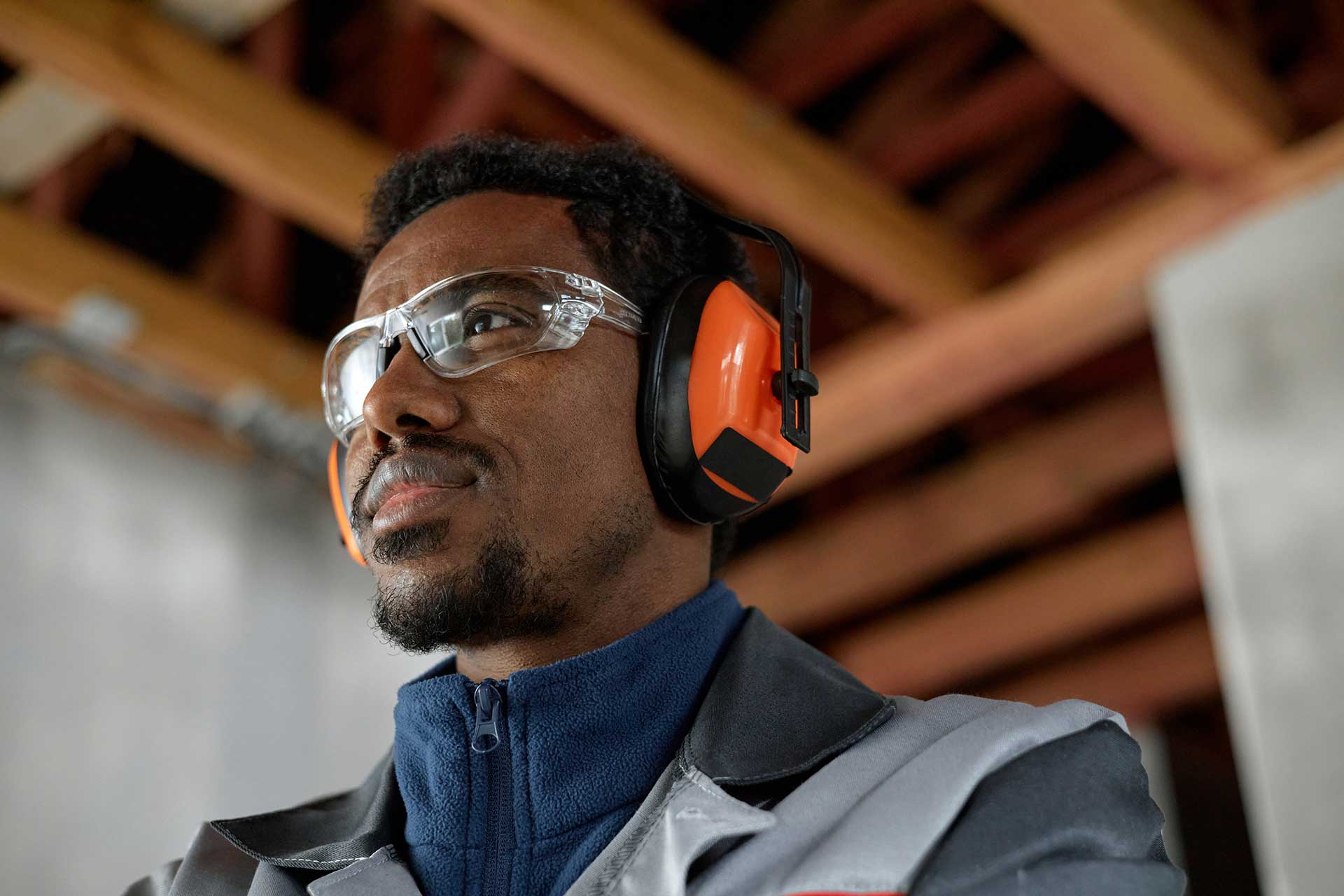
- Provide appropriate PPE as the final layer of protection
To maintain an effective program:
- Conduct regular air monitoring to confirm that controls are working
- Stay informed about updates from OSHA, EPA, and NIOSH that could affect your exposure limits
- Use digital tools to manage your chemical inventory and documentation, while remembering that technology is a support, not a replacement, for sound safety practices
Practical Steps to Consider
To get started, consider these action items:
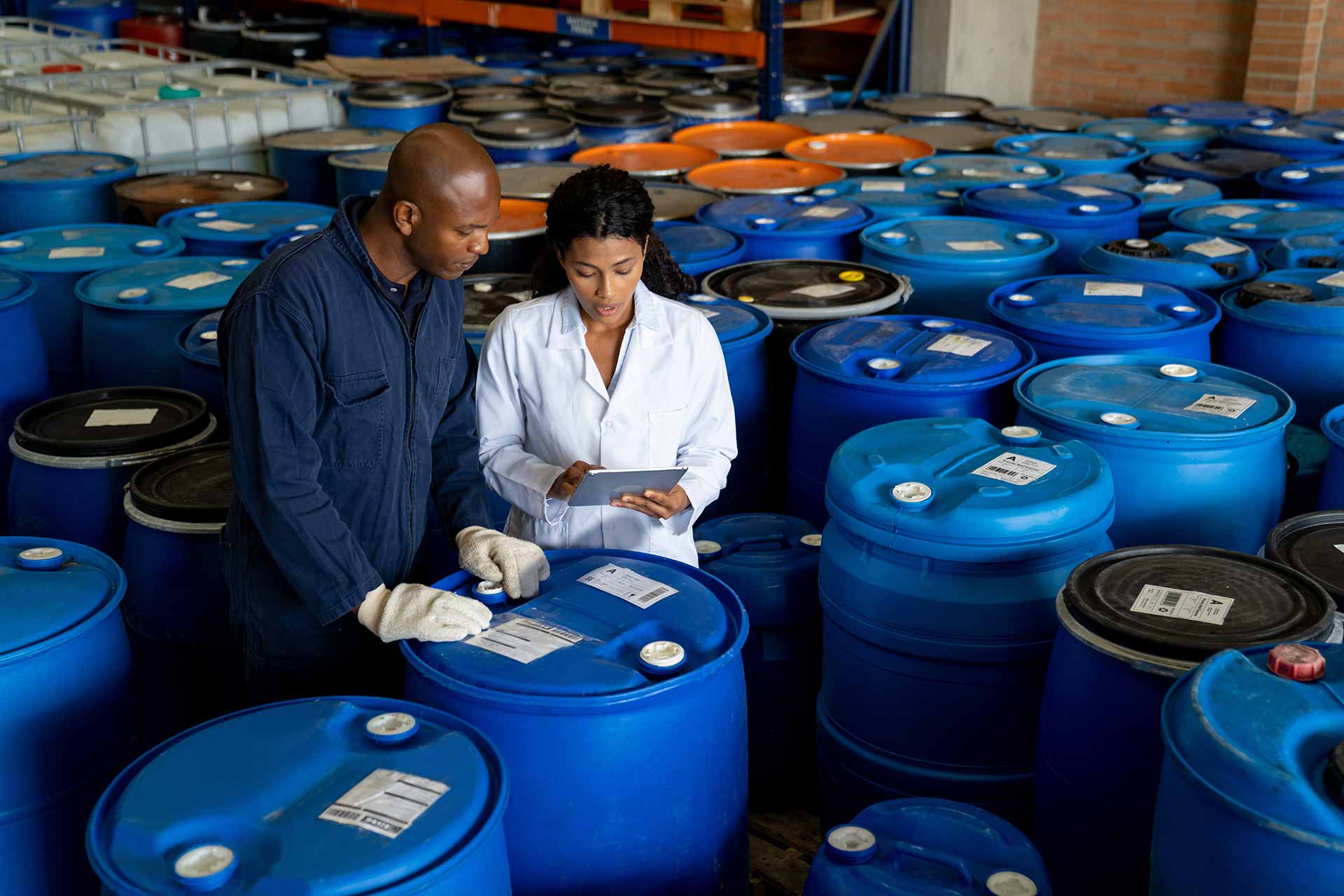
- Audit your chemical inventory against current exposure standards
- Budget now for necessary upgrades, such as ventilation improvements, which often take time to implement
- Update your training programs to reflect new requirements and tailor them to the chemicals your team handles
- Schedule a professional assessment to catch compliance gaps before an inspection does
Preparing for Continued Change
Chemical safety regulations will continue to evolve as new data becomes available. Building flexibility into your safety program now helps you adapt more easily later. Consider these steps:
- Document the reasoning behind your control choices for each chemical
- Build relationships with safety professionals who can help you apply complex regulations
- Promote a workplace culture where employees understand the importance of chemical safety and feel comfortable raising concerns
How GMG EnviroSafe Helps
Chemical regulations are complex and constantly changing. GMG EnviroSafe helps you stay ahead through:
- Chemical safety program reviews to identify compliance gaps
- SDS and hazard communication updates to align with the latest GHS standards
- Air monitoring and exposure assessments to verify control effectiveness
- Bilingual training tailored to your work environment
- Strategic planning to help you evaluate safer alternatives and prepare for long-term compliance
We make complex regulations manageable by turning them into practical steps that work for your operations.
Take Action Before Requirements Change
Chemical safety standards are becoming more rigorous across all major agencies. Businesses that take action now are better positioned to avoid compliance issues and protect their teams.
Partner with GMG EnviroSafe to build a chemical safety program that meets today’s standards and adapts for tomorrow. We’ll help you stay ahead without disrupting your operations.
Contact us at www.gmgenvirosafe.com or call 1-800-619-9733 to schedule your chemical safety consultation.
---
Sources:
Share & Print this article