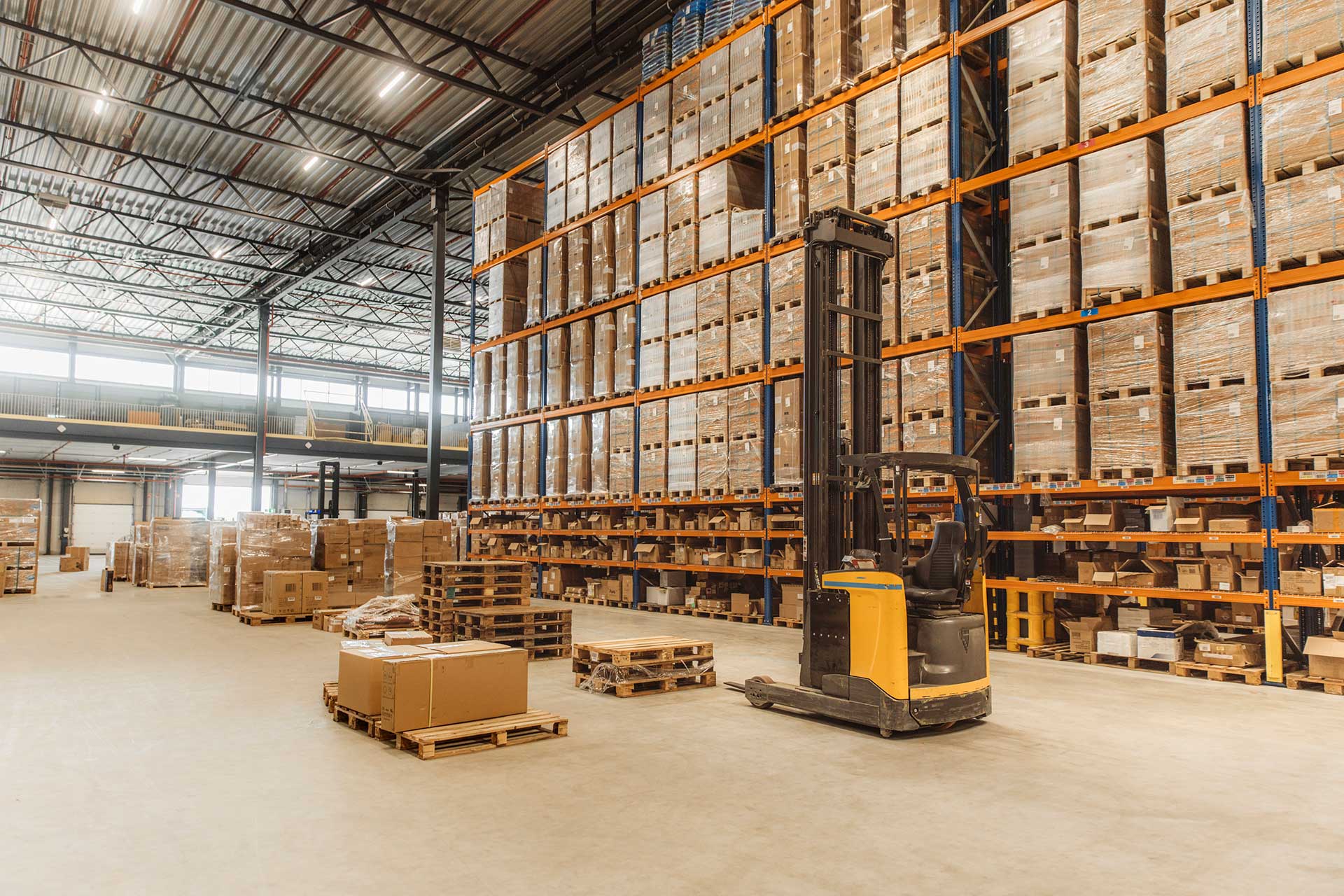
The warehousing and distribution industry has seen a remarkable 250% surge in employment over the past decade. This means the growth has also led to an increase in non-fatal injury rates, which are now 2-3 times higher than the general industry baseline.
As a result, OSHA has launched National Emphasis Programs (NEPs) to focus on compliance measures for specific hazards and high-risk industries, aiming to eliminate or reduce potential dangers in work-related activities and facilities. In this blog, we'll look into OSHA's NEP on warehousing and distribution, exploring its goals and the key hazards it addresses.
Overview
OSHA's NEP on Warehousing & Distribution targets a wide range of establishments involved in storing, handling, and redistributing goods to wholesale or retail outlets, including:
Facilities like paint distributors, hardware stores, home centers, building material dealers, and supercenters fall under the NEP's scope.
NEP Focus and Goals
OSHA inspectors will focus on various areas, including:
- Powered industrial vehicle operations
- Warehouse temperature and humidity levels to identify and mitigate heat-related hazards
In addition to that, the NEP will focus on ergonomic screening to address the risks related to material handling in warehouse environments. Ultimately, with these thorough evaluations and practical safety measures, the NEP goal is to enhance workplace safety and lower the concerning high rates of injuries at these facilities.
Key Hazards Addressed
Many retail facilities have the same or similar hazards as warehousing and distribution facilities, particularly in loading and storage areas. Inspections in these establishments under this NEP will focus on the loading and storage areas. Keep in mind that OSHA may expand the scope of the partial inspection if they see evidence of areas that are non- complaint.
Heat-Related Hazards NEP
The Outdoor and Indoor Heat-Related Hazards also applies under the Warehousing and Distribution NEP. This program went into effect April 2022 and has an expiration date of April 2025.
Its focus areas and goals include:
- Reducing or eliminating worker exposure to heat-related hazards that result in illnesses, injuries, and deaths at facilities with radiant heat sources where employees are exposed and have not been provided enough protection.
- Reviewing OSHA 300 Logs and 301 Incident Reports for any entries indicating heat-related illness(es).
- Reviewing any records of heat-related emergency room visits and/or ambulance transport, even if hospitalizations did not occur.
- Interviewing workers for symptoms of heat-related illnesses, including headache, dizziness, fainting, dehydration and other conditions that may indicate heat-related illnesses.
- Determining if the employer has a heat illness and injury program addressing heat exposure.
- Identifying activities relevant to heat-related hazards like working in direct sunlight, a hot vehicle, or areas with hot air.
The important thing to remember about heat-related hazards is there are ways to prevent them, like drinking water and talking breaks, but the key is to take a proactive approach. This will ensure the safety and well-being of each worker.
Compliance and Safety Tips
Employers in the warehousing and distribution sectors are encouraged to review their safety practices and implement effective measures to address these hazards. This may involve providing ergonomic training, implementing controls, ensuring proper PPE, and doing regular inspections and maintenance.
Other ways to make simple fixes and stay proactive is by providing:
- Hazard communication training
- Properly labeled containers
- Correct slip, trips and fall hazards
- A safety committee for self-inspections
- Labeled entry ways and exits
- Labor Law posters visible and displayed
Your Compliance Partner
The good news is that you don't have to navigate all this on your own. Seeking professional guidance can help employers develop comprehensive strategies to improve workplace safety and ensure compliance.
With GMG EnviroSafe, we offer the support you need to prioritize the well-being of workers in these high-risk industries. Our experts will come in and establish an internal EHS compliance department, providing:
- Expert advice and guidance
- Specialized software solutions
- Written plans and programs
- Assistance in establishing safety committees
- Communication channels for effective safety management
- Job hazard assessments for all positions
- Recordkeeping and data management services
By partnering with GMG EnviroSafe, you gain access to a team of knowledgeable professionals dedicated to creating a safer working environment for your employees. Let us help you navigate your compliance and prioritize employee well-being.
Get started by scheduling your consultation today!
Share & Print this article