What's Included
What to Expect During Your Assessment
This service provides complete monitoring and control strategies for nuisance dust hazards:
On-Site Dust Sampling & Measurement
Accurate testing of airborne particulates during typical operations.
Exposure Analysis & Reporting
Clear results compared with OSHA and ACGIH exposure guidelines.
Control Recommendations
Practical steps such as improved ventilation, dust suppression, and housekeeping practices.
Written Exposure Control Plans
Documentation tailored to your facility’s needs and regulatory requirements.
Employee Awareness & Training
Guidance to help employees recognize dust risks and follow safe practices.
WHO IS THIS SERVICE FOR
For Businesses That Need Reliable Dust Monitoring
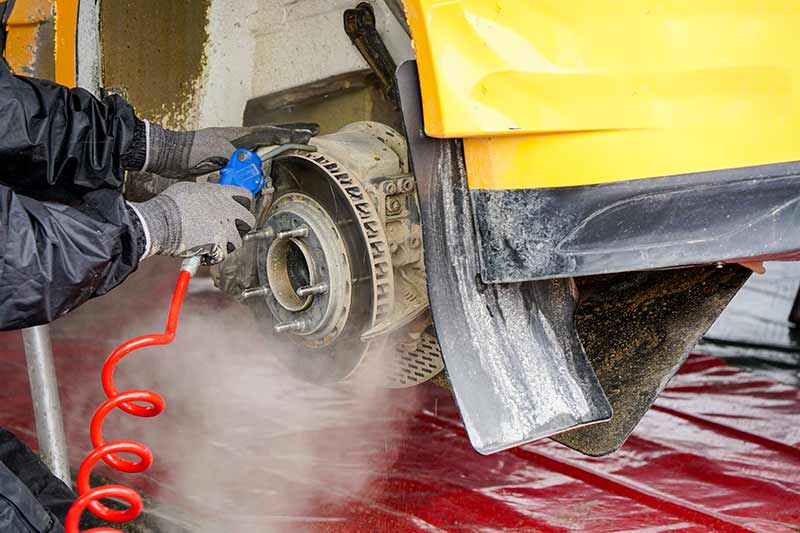
This service is designed for industries where dust is a common byproduct, including manufacturing, woodworking, construction, auto body repair, and distribution centers. If your workplace generates or handles dust that could impact air quality, our monitoring ensures risks are identified and controlled to safeguard health and compliance.
WHY IT MATTERS
Prevent Respiratory Issues and Operational Disruptions
Even when not classified as toxic, nuisance dust can cause respiratory irritation, reduce comfort, and lead to long-term health complaints if unmanaged. High levels of dust can also increase cleaning and equipment maintenance costs, or result in citations if exposure exceeds permissible limits. Proactively monitoring and controlling dust helps protect employee health, improve productivity, and keep your facility inspection-ready.
How It Works
A Simple, Proven Process That Works Around You
Initial Consultation & Planning
We review your operations to determine where nuisance dust exposure is most likely.
On-Site Dust Monitoring
Air samples are collected and analyzed during normal work activities.
Detailed Reporting & Analysis
Results are compared to regulatory guidelines, with clear explanations of risk levels.
Action Plan & Support
We provide targeted recommendations and written programs to reduce dust levels and maintain compliance.
Client Success
Understanding Your Dust Exposure Monitoring
Get clear answers about monitoring, risks, and how GMG helps improve workplace air quality.


Why is nuisance dust a concern if it’s not toxic?

How often should dust monitoring be done?
What controls can reduce dust exposure?
Does this help with OSHA compliance?
Will testing disrupt operations?
Start monitoring for dust safety
Protect your employees and improve working conditions with nuisance dust exposure monitoring. Schedule a consultation with GMG to measure risks, reduce dust levels, and safeguard both health and compliance.